

Estimated reading time: 4 minutes
Table of contents
If you’re commissioning formwork for the first time, or working with a new contractor, it helps to understand what the process should look like from start to finish. Whether you’re a developer, main contractor, or architect, knowing what to expect means fewer surprises on site and a smoother project overall.
What does a Formwork Contractor actually do?
A formwork contractor designs, installs and strikes the temporary structures that hold poured concrete in place until it cures and becomes self-supporting. The quality of the formwork directly affects the quality of the finished concrete, so getting the right contractor matters.
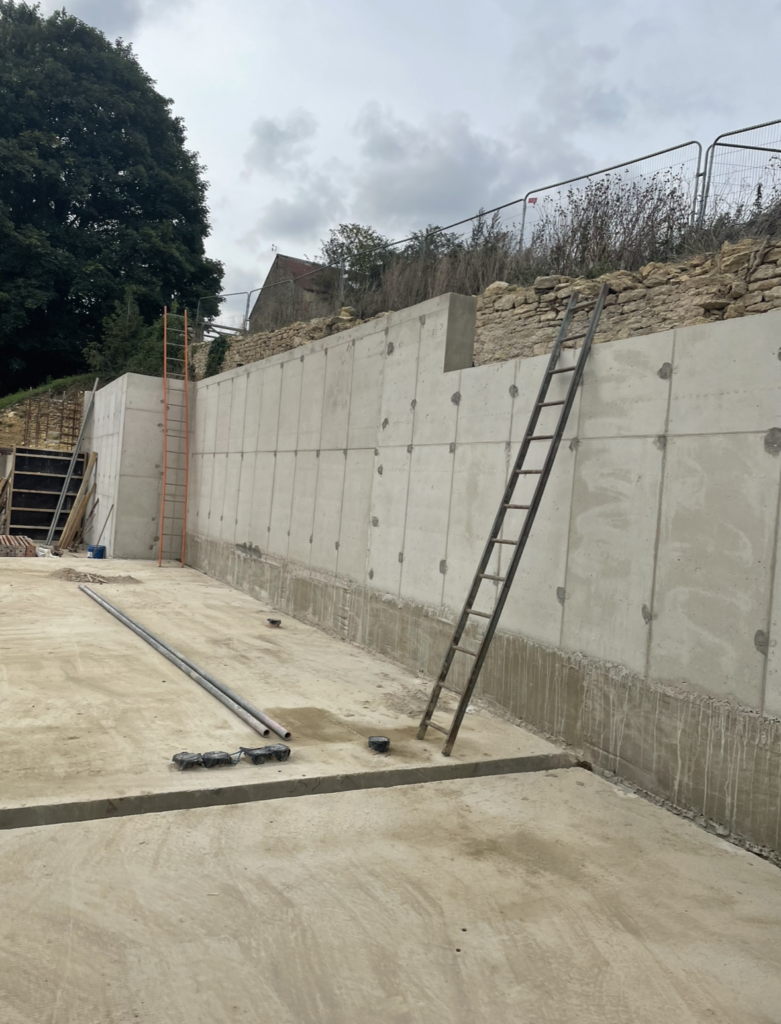
Depending on the project, this can include RC walls, slabs, basements, columns, stairs, lift pits and a wide range of structural elements such as these listed on our services page
What to look for in when hiring a Formwork Contractor
Before appointing a formwork contractor, you should be looking for:
Experience relevant to your project type:
A contractor experienced in domestic basements isn’t necessarily the right choice for a highway structure or substation. Ask for examples of similar work and check they’ve delivered at the scale and complexity your project requires.
Temporary works capability:
Formwork isn’t just about timber and props – it requires proper temporary works design to ensure safe installation. A competent contractor should either have this capability in-house or work with a named temporary works designer.
Qualified and accredited operatives:
All operatives should hold relevant CSCS cards and be experienced in the specific type of work required. On regulated or specialist sites such as National Grid substations or highways schemes, additional accreditations may be required.
Clear programme and sequencing plan:
Good formwork contractors plan ahead. Ask how they approach sequencing, what their lead times are, and how they coordinate with other trades. Delays in formwork hold up everything that follows.
References and previous work:
Don’t be afraid to ask for references from main contractors or project managers they’ve worked with previously. A track record of reliable delivery speaks louder than anything on a website.
What the process currently looks like
While every project is different, here’s a general outline of what to expect once a formwork contractor is appointed:
1. Pre-construction review
The contractor reviews drawings, specifications and the programme. They’ll identify any buildability issues, agree on the formwork method, and confirm temporary works requirements.
2. Temporary works design
Where required, a temporary works design is produced and checked before any installation begins. This is a non-negotiable step for safe and compliant delivery.
3. Procurement and mobilisation
Materials, equipment and labour are lined up in advance of the start date. A well-organised contractor won’t turn up on site and then start ordering materials.
4. Installation and pour
Formwork is installed to the agreed design, inspected before the pour, and concrete is placed. The contractor coordinates closely with the concrete supplier and main contractor at this stage.
5. Striking and making good
Once the concrete has reached sufficient strength, formwork is carefully struck. Any remedial work to the concrete surface is carried out at this stage.
Questions worth asking when hiring a formwork contractor
- Who is your temporary works designer?
- Have you delivered similar projects before?
- How do you manage programme and sequencing?
- What CSCS qualifications do your operatives hold?
- Can you provide references from previous main contractors?
Choosing the right formwork contractor early in the project saves time, cost and stress further down the line. If you’d like to discuss an upcoming project with an experienced, fully qualified team, contact us today.
Our experienced team delivers structural concrete works including reinforced concrete frames, substructures and formwork, working closely with developers, contractors and project managers to ensure projects are delivered safely and efficiently.
We cover the following areas.